


 By
By Safety remains the foundation of aviation. Every aspect of an aircraft, from design to daily operation, is centered around minimizing risks and protecting lives. In modern cockpits, pilots are expected to manage highly complex systems while making quick and accurate decisions.
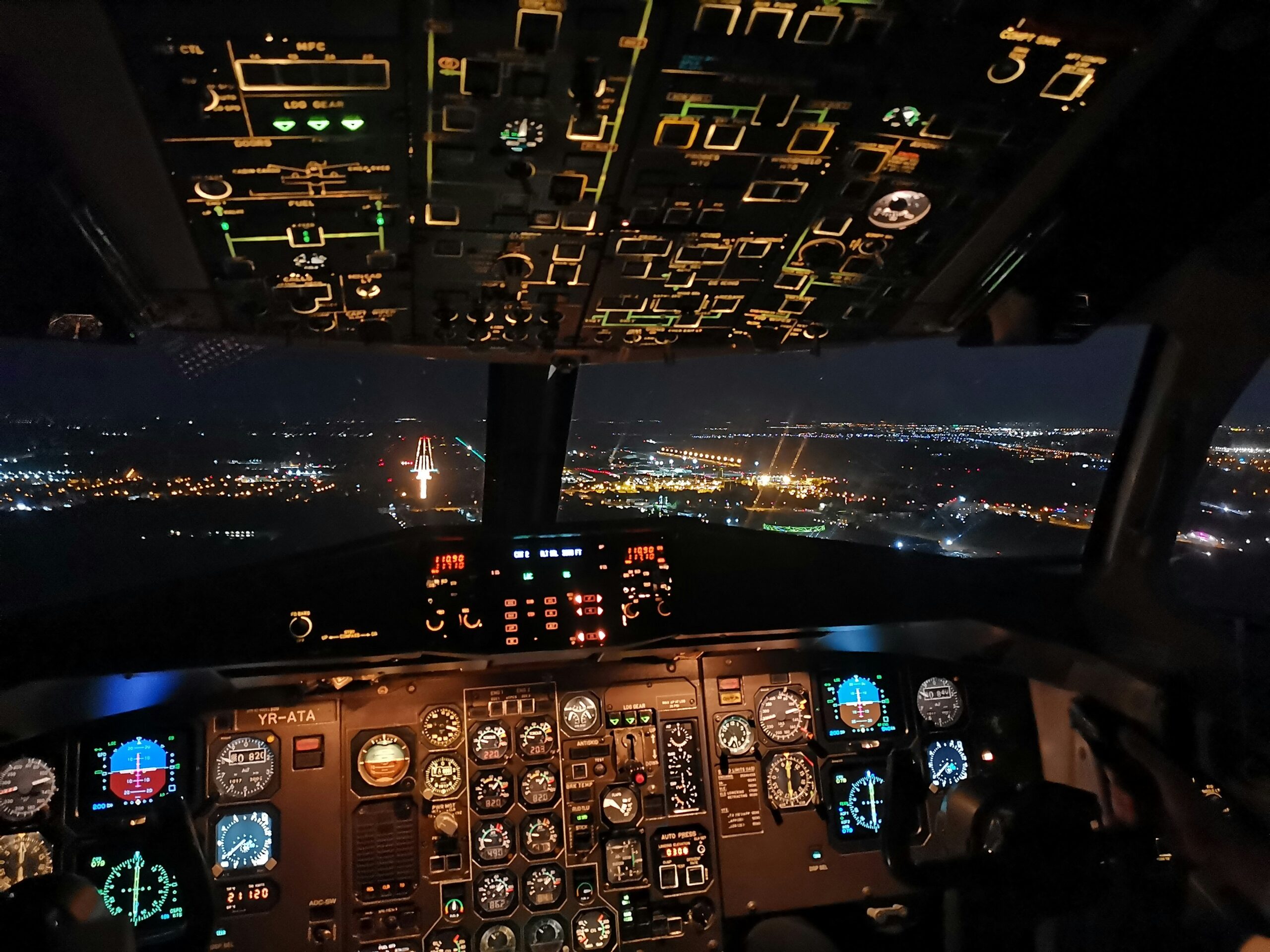
For pilots to make these decisions, situational awareness is essential. This means having a complete and accurate understanding of the aircraft’s status, its environment, and potential risks at all times. One of the standards that plays a crucial role in supporting this is ARINC 724, which is widely used in flight information systems. By enabling structured communication and reliable data handling, ARINC 724 helps strengthen safety in the cockpit.

Situational Awareness in the Cockpit
Situational awareness refers to a pilot’s ability to perceive the current state of the aircraft and its surroundings, understand what that information means, and anticipate what could happen next. It is often the difference between safe operations and potentially dangerous outcomes.
Some of the factors that affect situational awareness include:
- Access to accurate and real-time flight data
- Clear and consistent communication between avionics systems
- Timely alerts and warnings to highlight risks
- Reduced workload so pilots can focus on decision-making
When situational awareness is lacking, pilots may misinterpret information or react too late, which can compromise safety. This is why structured standards like ARINC 724 are so important.

How ARINC 724 Enhances Situational Awareness
ARINC 724 plays a key role in providing pilots with the data they need in a clear and reliable format. It improves cockpit safety in several ways:
- Consistent data flow: Ensures that information from different avionics systems reaches the cockpit without delays or errors.
- Standardized communication: Creates uniformity across systems, making it easier for pilots to interpret and act on the data.
- Real-time updates: Provides continuous feedback on navigation, engine performance, and system health.
- Integration with recorders: Supports flight data recorders, which can be used to analyze incidents and improve future safety measures.
- Early warning systems: Works with monitoring tools to deliver alerts that help pilots act before issues escalate.
By streamlining the flow of information, ARINC 724 reduces uncertainty and allows pilots to stay focused on managing the flight.
Benefits for Pilots and Aircraft Safety
The impact of ARINC 724 goes beyond technical communication. Its influence can be seen in how it directly benefits pilots and enhances overall safety:
- Better decision-making: Pilots can rely on accurate data to respond quickly to changing conditions.
- Improved emergency response: Early detection and timely alerts enable faster action during critical events.
- Reduced workload: Automation supported by ARINC 724 helps minimize routine tasks, giving pilots more time to focus on complex situations.
- Stronger coordination: Reliable information flow supports better communication with ground control and air traffic management.
These benefits add an extra layer of assurance that strengthens aviation’s already strong safety culture.

Conclusion
Aviation depends on both human expertise and reliable systems. Situational awareness in the cockpit is central to safety, and ARINC 724 plays an important role in maintaining it. By enabling accurate data exchange and supporting timely decision-making, it helps pilots stay aware, prepared, and in control.
ARINC 724 may not be visible to passengers, but its influence is felt in every safe takeoff and landing. It remains a vital part of aviation’s ongoing commitment to safety and operational excellence.